


What Is in Vape Juice?
Published on 2025-12-07 06:28:08 by Muhammed
What Ingredients Are in Vape Juice?
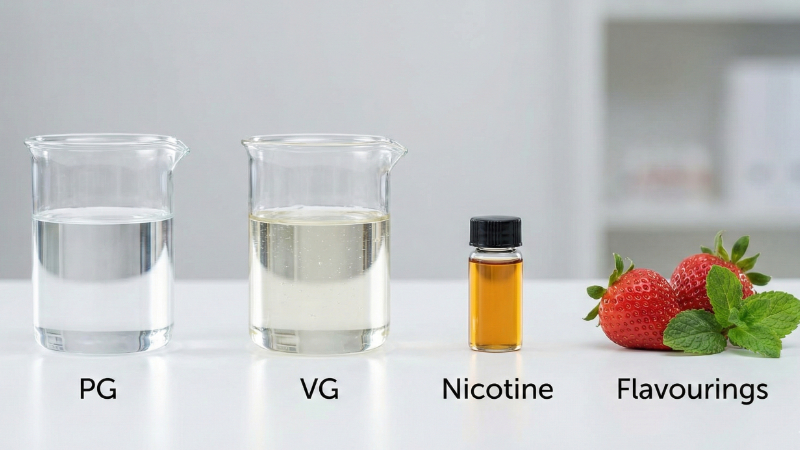
Vape liquids sold in the UK use a small set of regulated ingredients that work together to create vapour, carry flavour, and deliver nicotine if you choose it. Knowing what’s inside your e-liquid helps you pick blends that suit your device and your preferences as an adult user.
Key ingredients found in vape juice:
-
Propylene Glycol (PG) - PG is a thin, clear liquid that carries flavour evenly through the e-liquid. Higher-PG blends feel sharper on the inhale because PG increases throat hit, which some adults prefer. It also flows quickly through small coils, making it common in 50/50 blends and nicotine salts.
-
Vegetable Glycerin (VG) - VG is thicker and naturally sweeter than PG, and it’s responsible for producing dense vapour. If you like a smoother inhale, higher-VG liquids usually feel softer and gentler. VG can slightly round off flavour intensity, but it adds thickness and texture to the vapour.
-
Food-Grade Flavourings - Flavourings give vape juice its taste, whether you enjoy fruit, menthol, dessert, or tobacco-style blends. These concentrates are food-grade and mixed carefully to create a consistent, balanced profile. UK regulations require strict standards for ingredients and labelling to keep products compliant.
-
Nicotine (Optional) - Nicotine is added for adults who already use nicotine and want a familiar sensation. It’s available as freebase or nicotine salts, each offering a different throat feel and absorption style. You can also choose 0mg liquids if you prefer flavour only without nicotine.
PG in Vape Juice
PG plays a major role in how your vape liquid behaves, affecting consistency, flavour clarity, and how the inhale feels. Understanding how PG works helps you choose liquids that fit your device and the sensation you prefer as an adult nicotine user.
Key points about PG in vape juice:
-
How PG works in e-liquid. Propylene glycol is a regulated ingredient that keeps e-liquid thin, fluid, and stable. It mixes easily with flavourings and nicotine, helping manufacturers create consistent batches. When people look at what is in vape juice, PG is often the ingredient that keeps each bottle tasting uniform from start to finish.
-
Not every vape liquid contains PG. Many UK liquids use PG, especially those made for pod kits or low-wattage devices. Some brands reduce or remove PG for adults who prefer a gentler blend or find PG too sharp. These PG-light or PG-free liquids are usually thicker and work best in higher-power devices that can handle the added density.
-
How PG affects throat hit, flavour, and coil wicking. PG helps your coil wick quickly and produce steady vapour. Liquids with higher PG levels feel more defined on the inhale and often deliver clearer flavour detail. If you like a firmer throat hit or use a compact MTL device, PG-rich blends can offer a more precise and consistent experience.
VG in Vape Juice
VG shapes how thick your vape liquid feels and how much vapour your device can produce. If you prefer a smoother inhale or want bigger clouds, understanding how VG behaves will help you choose e-liquids that match your style and your device as an adult user.
Understanding VG in Vape Juice
Vegetable glycerin is a plant-derived ingredient with a naturally syrupy texture. It’s used in vape liquids to create dense vapour and add a gentle sweetness to the inhale. Because VG is thicker than PG, it changes how your e-liquid flows through the coil, affecting the overall feel of your vape. When you check what vape liquid is made of, VG is often the ingredient responsible for a soft, rounded inhale.
High-VG & Max-VG Liquids
High-VG blends, often 70/30 or thicker, are designed for adults using more powerful devices. These liquids work best in sub-ohm tanks or pod systems with large wicking ports that can handle thicker textures. If you enjoy slower, warmer vapour and use a device with adjustable airflow, high-VG e-liquids can offer a more relaxed inhale. Max-VG liquids take this even further, prioritising cloud size and smoothness over throat hit.
How VG Affects Vapour Production & Flavour Strength
VG increases vapour density, giving you fuller clouds and a softer inhale. Because it’s naturally sweet and heavier, it can slightly mute sharper flavour notes, which is why some blends use added flavour concentrates to stay punchy. Higher VG levels also make the vapour feel smoother, which you might prefer if you find strong throat sensations uncomfortable. Devices built for direct-lung vaping tend to perform best with VG-rich liquids.
Nicotine Types in Vape Juice
Nicotine is an optional part of vape liquid and is included for adults who already use nicotine and want a familiar sensation without smoke. If you’re choosing an e-liquid for the first time, understanding how nicotine behaves in different formats will help you decide which option feels right for your device and your preferred inhale style.
Why is Nicotine Added to Vape Juice?
Nicotine provides the “hit” many adult smokers recognise. In a vape liquid, it blends with PG, VG and flavourings so the coil can turn the mixture into vapour. When you look at what is in vape liquid, nicotine is the ingredient that influences throat feel and how satisfying each puff feels to you.
Freebase Nicotine — Classic E-Liquid Format
Freebase nicotine has been used in e-liquids since the earliest vape products. It delivers a sharper sensation on the inhale, especially at higher strengths, which some adults associate with traditional cigarettes. Freebase is most often found in 3mg, 6mg, 10mg and 12mg liquids, and it’s common in 50/50 blends and high-VG shortfills when mixed with nic shots.
Nicotine Salts (Nic Salts & Bar Salts)
Nicotine salts use a modified form of nicotine to create a smoother inhale, even at higher strengths. This format absorbs more quickly and pairs well with low-power pod kits and compact coils. Nic salts are widely available in 10–20mg strengths and are popular with adults who prefer a more discreet draw.
Synthetic Nicotine
Synthetic nicotine is produced in a lab rather than being extracted from tobacco. It behaves similarly to standard nicotine but is less common in the UK. It must still follow TPD rules on strength, bottle size and labelling.
Nicotine Strengths in UK 10ml TPD Bottles
Under TPD rules, nicotine liquids cannot exceed 20mg (2%) and must be sold in 10ml bottles. You can choose from 0mg up to the legal limit, depending on how strong you want your vape to feel. Your device type plays a big role in which strength works best for you.
Are There Vape Juices Without Nicotine?
Yes. Many adults choose 0mg liquids when they only want flavour or use high-VG shortfills with separate nic shots to customise their level. Nicotine-free options follow the same ingredient rules as standard e-liquids.
Vape Juice Flavourings and Additives Explained
Flavour ingredients shape how your vape tastes and feels, and knowing how they work helps you choose liquids that match your preferences as an adult user.
Key points about flavourings and additives in vape juice:
-
Flavour concentrates. Flavour concentrates are food-grade blends that give your e-liquid its main character. They cover everything from fruit and menthol to dessert and tobacco-style profiles. These blends are carefully balanced so each bottle tastes consistent from start to finish. For many adults, flavourings are the deciding factor when choosing between liquids.
-
Sweeteners and cooling agents. Vape liquids don’t contain sugar, but they may include sweeteners to enhance richness or sweetness. These ingredients help fruit and dessert flavours feel fuller and more rounded. Some blends also use cooling agents like WS-23 or menthol to create an icy or sharper inhale.
-
Optional additives in some liquids. A small number of e-liquids include extra ingredients to adjust texture or performance. This can include distilled water to slightly thin thicker formulas or organic acids in nicotine salts to create a smoother inhale. These additives are used in very small, controlled amounts.
-
Ingredients excluded from UK-compliant vape juice. UK regulations prohibit certain compounds, including diacetyl and similar additives linked to unsafe use in other industries. Reputable UK brands follow strict ingredient and labelling rules so adult vapers know exactly what they’re buying. These rules ensure a consistent, regulated ingredient list across compliant products.
PG/VG Ratios in Vape Juice Explained
The balance of PG and VG in your vape liquid plays a major role in how your device performs. Once you understand how different ratios behave, you can choose blends that match your preferred inhale, flavour strength and vapour output as an adult user.
What PG/VG Ratios Mean in Vape Juice
A PG/VG ratio tells you how much propylene glycol and vegetable glycerin your liquid contains. Each ingredient affects flavour clarity, cloud size and throat feel in different ways. When you check e-liquid ingredients, the ratio is often the first clue to how the liquid will behave in your vape kit.
50/50 Vape Juice
50/50 blends offer a mix of throat hit, flavour strength and smooth vapour. Because they stay thin enough for small coils, they work well in pod kits and low-wattage devices. If you want a clear flavour with a defined hit, 50/50 liquids give you a balanced option that suits most simple vape setups.
High-VG Vape Juice (70/30 & 80/20)
High-VG blends create thicker vapour and a softer inhale. These ratios work best in sub-ohm tanks or pod systems with large wicking ports. If you enjoy larger clouds or prefer a warmer draw, high-VG liquids tend to deliver a fuller, more relaxed inhale. They are not suited to small-pod coils because their thicker texture can overwhelm tight wicking.
Choosing the Best Vape Juice Ratio for Your Device
Pod kits usually perform best with 50/50 or nicotine salt liquids. Sub-ohm tanks are built for thicker, VG-heavy blends. If you use disposable-style refill liquids, most mimic nic salt behaviour and sit close to the 50/50 mark for smooth wicking and flavour delivery.
What Chemicals Are in Vape Juice?
Vape liquids contain a small set of regulated ingredients, and understanding how these chemicals behave helps you choose products that match your needs as an adult nicotine user.
Chemicals Found in Standard Vape Liquids
Most e-liquids contain PG, VG, flavourings and optional nicotine. These ingredients work together to create vapour, carry flavour and deliver a familiar feel. When you look at what is vape juice made of, these four parts form the base of nearly every UK-regulated liquid.
Chemicals Found in Nicotine-Free Vape Juice
Nicotine-free vape liquids use the same PG, VG and flavourings but leave out the nicotine. Because 0mg options have no nicotine, they are not restricted to 10ml bottles. The overall composition stays similar, so the flavour experience is the main difference.
Are Vape Liquids Oils or Oil-Based?
Vape liquids are not oils, and UK-regulated e-liquids must never contain oil-based ingredients. PG and VG are water-soluble carriers that mix easily with flavourings and optional nicotine, which allows them to heat and vaporise correctly. This water-soluble base is one of the key differences between vape liquid ingredients and oil products.
Heating Byproducts in Vape Juice
When e-liquid overheats, small amounts of byproducts can form, including traces of formaldehyde or acrolein. These are linked to excessive heat, such as when a coil runs too hot or produces a burnt taste. Staying within your device’s recommended wattage helps keep vape byproducts lower and prevents harsh inhales.
Heavy Metals in Vapes
Any trace metals in the vapour come from coil materials, not from the e-liquid itself. Coils naturally wear down over time, which is why replacing them regularly reduces the risk of metallic tastes. Reputable UK devices use certified materials and must meet strict manufacturing standards to limit the presence of unwanted particles and maintain consistent performance.
Does Vape Juice Expire?
E-liquids can age over time, and knowing how long they stay at their best helps you keep your vape tasting consistent. Understanding what to look for makes it easier to decide when a bottle is still usable and when it may need replacing.
How Long Does Vape Juice Last?
Most vape liquids have a typical shelf life of about 2 years from the date of production. This timeframe can vary slightly depending on flavourings and storage conditions. When you look at what is in vape juice, PG and VG remain stable for a long time, but flavourings and nicotine can degrade over time.
Signs Your E-Liquid Has Gone Bad
If your vape juice has changed colour significantly, become unusually thick, or lost most of its flavour, it may be past its best. Older nicotine liquids can turn darker due to oxidation, which can also make the flavour taste sharper. If the liquid smells sour or separates into layers, it’s a sign that the ingredients are no longer properly mixed.
How to Store Vape Juice Properly
Keeping your e-liquid away from heat, light and air helps maintain its quality. Storing bottles in a cool, dark place slows down oxidation and protects flavour. Always close the cap tightly after use, as exposure to air speeds up ageing and reduces consistency over time.

How Vape Juice Is Made
Vape liquids are produced in controlled environments to ensure consistency, accuracy and clear ingredient information for adult users. Understanding how manufacturers create and test these liquids helps you choose products you trust.
How PG, VG, Nicotine & Flavours Are Blended
E-liquid begins with measured amounts of PG, VG, flavour concentrates and optional nicotine. These ingredients are combined in a clean mixing area where temperature and handling are carefully managed. When you look at what is in vape liquid, this blending process ensures every bottle follows the intended flavour, strength and PG/VG ratio. Some liquids are steeped after mixing, allowing flavours to settle and develop a smoother taste.
UK TPD Compliance: What Manufacturers Must Meet
UK vape liquids must follow strict TPD rules before reaching you. Nicotine-containing bottles are limited to 10ml, capped at 20mg strength and must use child-resistant packaging. Every product needs full ingredient labelling and batch information so you can see exactly what you’re buying. Before approval, liquids undergo emissions testing and ingredient checks to confirm they meet UK safety and manufacturing standards.
Frequently Asked Questions (FAQs) on What Is in Vape Juice
If you still have questions about vape liquid ingredients, this section gives you quick, clear answers in simple terms. Each FAQ is designed to help you understand how vape juice works and what you’re using as an adult vaper.
What is the main ingredient in vape juice?
Most vape liquids use a base of PG and VG, which carry flavour and create vapour. These make up most of the bottle. Flavourings and optional nicotine complete the mix depending on what you choose.
Does vape juice have any tobacco in it?
No, vape liquids do not contain tobacco leaf or plant material. Nicotine, if included, is extracted separately before being added to the liquid. You can also choose nicotine-free options.
What ingredients are used in vape liquid?
Vape liquids usually contain PG, VG, flavourings and optional nicotine. These ingredients are listed clearly on UK-regulated bottles. Understanding what is in vape juice helps you choose what suits your device.
Is there sugar in vape juice?
Vape liquids do not use actual sugar. Some flavours include sweeteners to lift taste, especially in fruit or dessert profiles. These are added in small amounts to maintain consistency.
Does vape juice contain diacetyl?
Reputable UK e-liquid brands do not use diacetyl. It is restricted under UK rules and is not permitted in compliant liquids. Ingredient labels and batch testing help confirm this.
What does synthetic nicotine mean?
Synthetic nicotine is lab-made rather than taken from tobacco. It behaves similarly to standard nicotine in e-liquid. It must still follow the same UK TPD rules on strength and packaging.
Are the ingredients in vape liquids safe?
All regulated UK liquids must meet strict standards and list every ingredient. They are designed for adults who already use nicotine. Products are not risk-free and should only be used by adults.
Can vape juice go bad?
Yes, e-liquids can lose flavour or change colour over time. Exposure to heat, light or air speeds this up. Proper storage helps keep your liquid consistent for longer.
What’s in the aerosol you inhale from a vape?
The aerosol contains vapour created from heated PG, VG, flavourings and optional nicotine. It does not involve combustion like cigarette smoke. The flavours and feel depend on your chosen liquid.
What makes a good vape liquid for adults?
A good liquid performs well in your device, tastes consistent and matches your preferred strength. PG/VG ratio also plays a major role in feel and vapour. Clear labelling helps you choose confidently.
Do flavoured vape liquids always contain nicotine?
No, many flavours are available with or without nicotine. You can choose strengths from 0mg up to the 20mg UK limit. The flavour profile stays the same regardless of nicotine level.
What are the ingredients in vape juice without nicotine?
Nicotine-free liquids use PG, VG and flavourings without adding nicotine. They are popular with adults who want flavour only. The base ingredients and labelling requirements remain the same.

Muhammed is the founder and CEO of Vape Big, a premier online retailer specializing in top-quality vaping products and accessories. Beyond his pivotal role in leading the company, he is deeply passionate about vaping and dedicated to helping people transition from harmful tobacco products to safer, more enjoyable alternatives. With years of expertise in the vaping industry, Muhammed stays at the forefront of the latest trends, technologies, and innovations, ensuring Vape Big continues to set the standard for excellence.

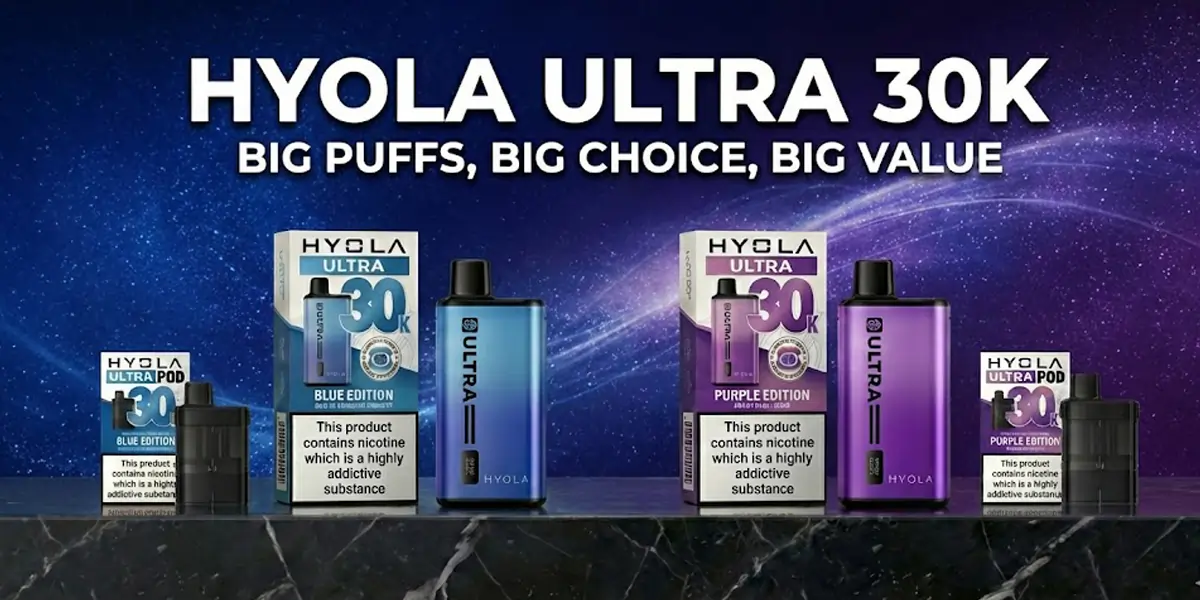
The Hyola Ultra 30K is built around one simple idea: longer use without overthinking your device. Instead of swapping disposables every few days, this kit stretches usage across weeks while keeping flavour consistent from start to finish. The dual flavour setup adds variety so you do not get bored halfway through a tank, and the refill system keeps running costs lower over time. Many UK users now look for practicality rather than novelty, and this device fits that shift perfectly. You still get the familiar mouth-to-lung feel people enjoy, but with a smoother draw and steadier vapour output. For heavy vapers, it reduces constant replacements, and for casual users, it becomes a dependable everyday companion that just keeps working.
By parthshah | 16-02-2026 11:30 AM
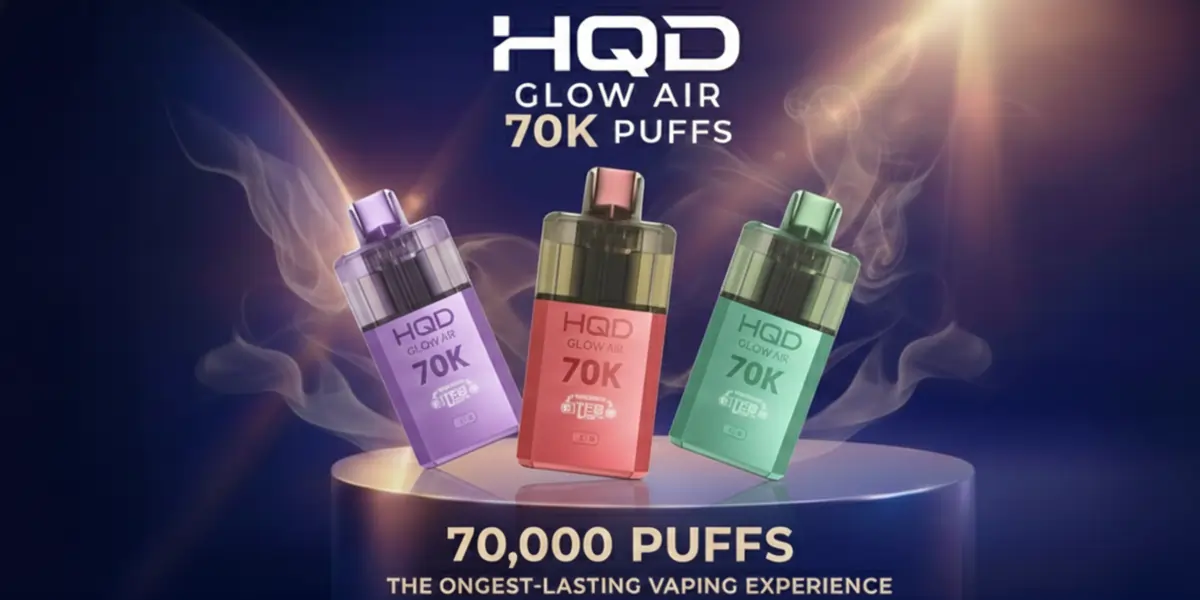
The HQD Glow Air 70K Vape Kit genuinely feels like a step forward for everyday vaping in the UK, especially for people who are tired of replacing short-life devices all the time. Instead of chasing small size or flashy ideas, this kit is clearly built around what regular vapers actually care about: day-to-day reliability, long use and a setup that simply works without effort.
By parthshah | 06-02-2026 06:46 AM
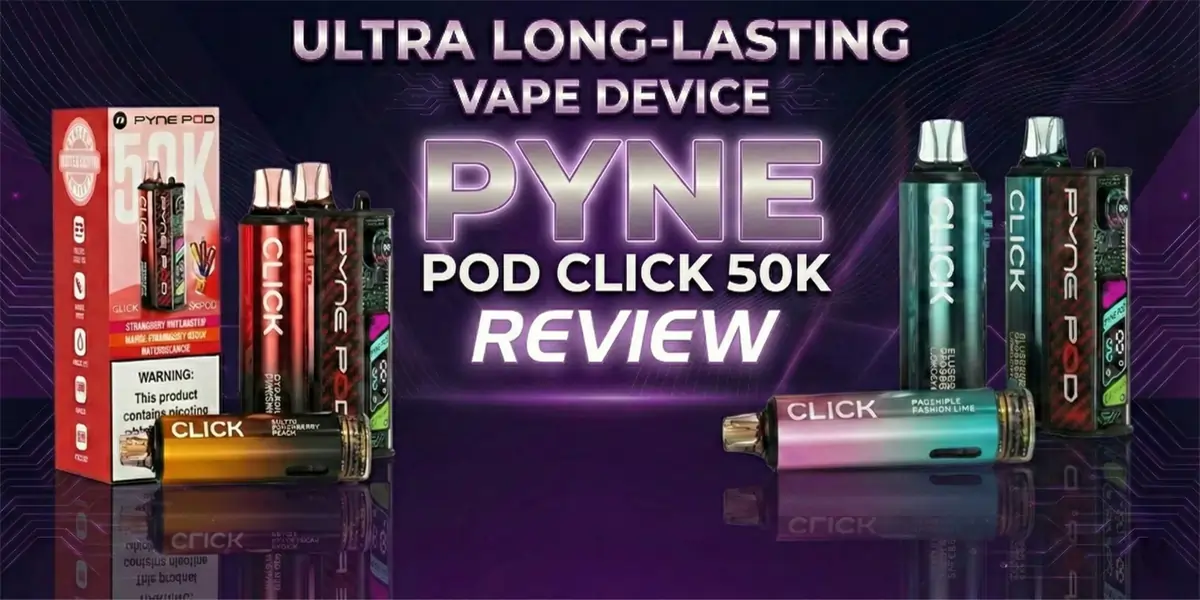
In this review, we take a deep look at how the Pyne Pod Click 50K Vape Kit performs in real-world use. From its massive puff count to flavour delivery power modes and usability, this guide breaks down what makes the device stand out and whether it truly lives up to the promise of ultra-long-lasting vaping.
By parthshah | 30-01-2026 12:04 PM
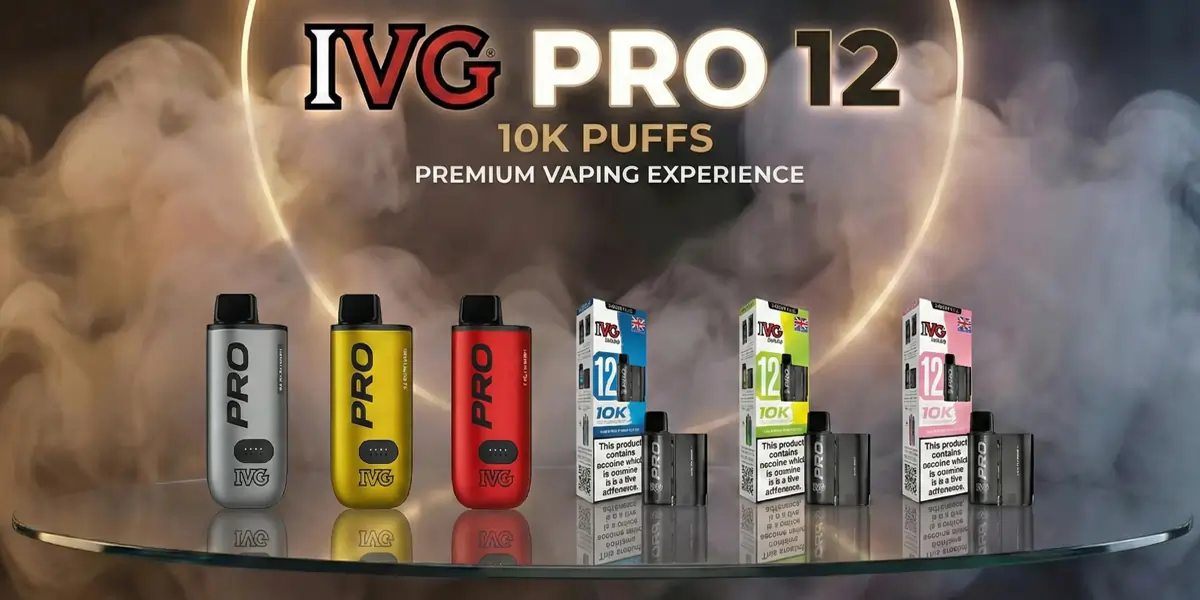
The IVG Pro 12 has quickly become a popular choice among vapers looking for a refillable pod system that is easy to use and reliable for everyday vaping. Designed as a step up from disposable vapes, it offers a smoother, more consistent experience while allowing users the freedom to choose their own e-liquids and nicotine strengths. With its compact design, refillable pods, and focus on flavour performance, the IVG Pro 12 appeals to both beginners and experienced vapers who want a practical and long-term vaping solution without unnecessary complexity.
By parthshah | 27-01-2026 06:25 AM